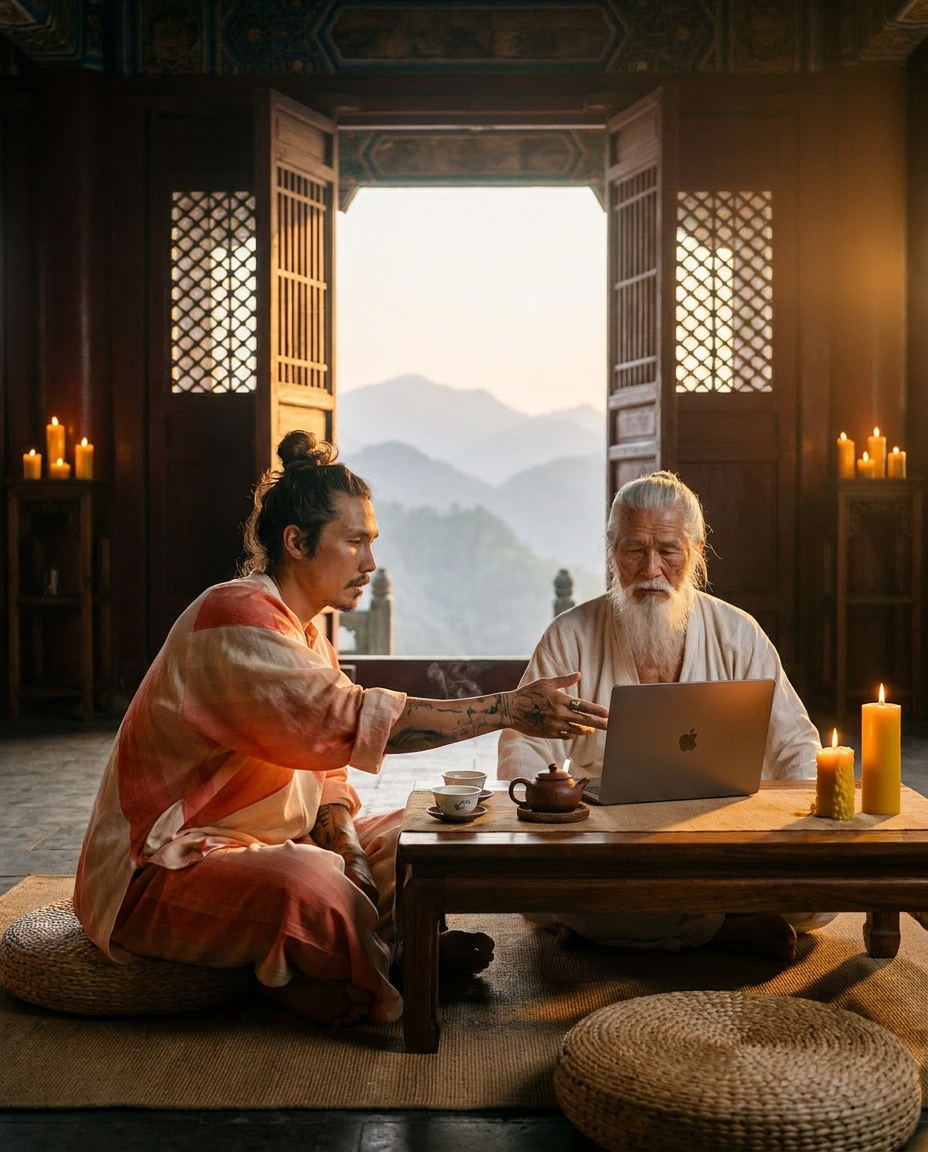
The Mountain Comes Down
A Westerner came to Wudang to train kung fu and ask one question. He did not yet know he had brought the question to the right teacher.
Read on Substack →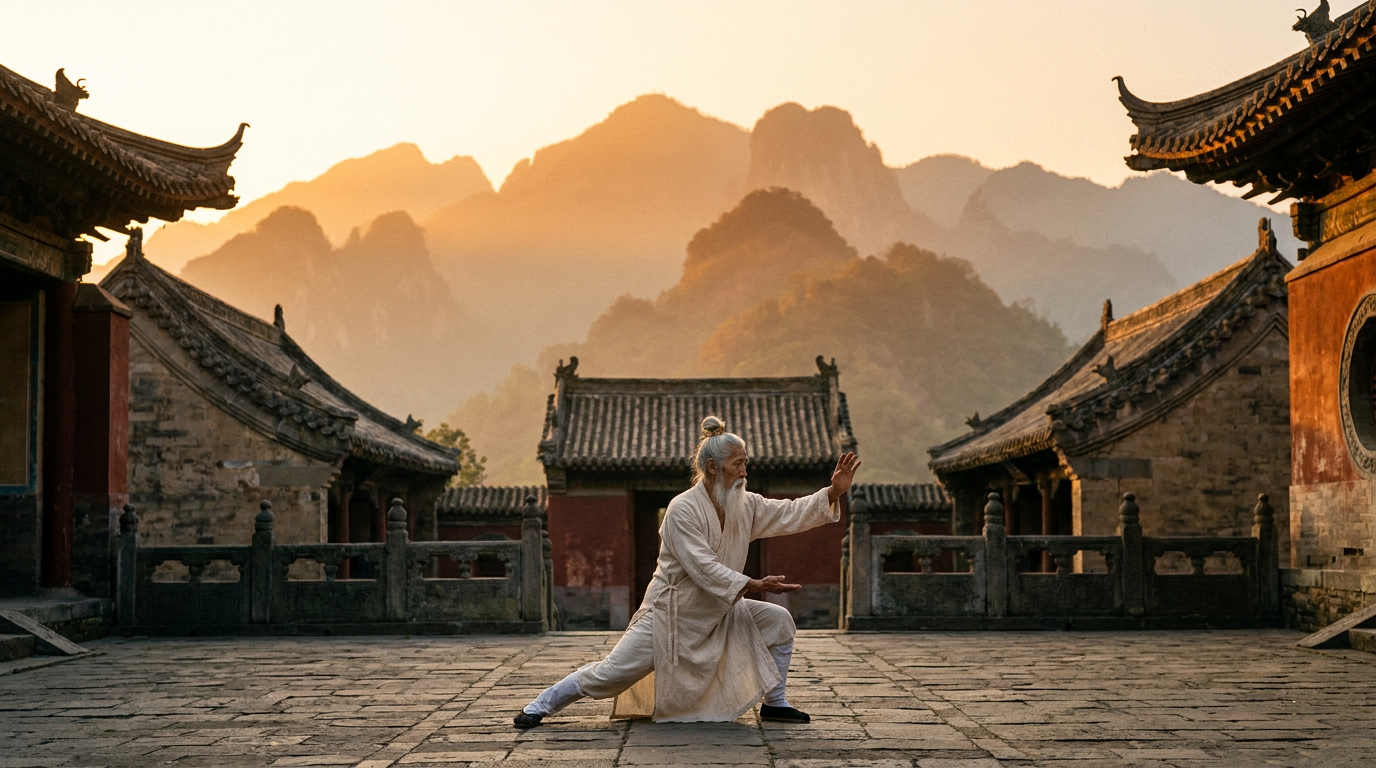
Wu Wei — the discipline of non-forcing — translated for the modern mind.
A small set of foundational Letters. The mountain doesn't hurry; neither should you.
A Westerner came to Wudang to train kung fu and ask one question. He did not yet know he had brought the question to the right teacher.
Read on Substack →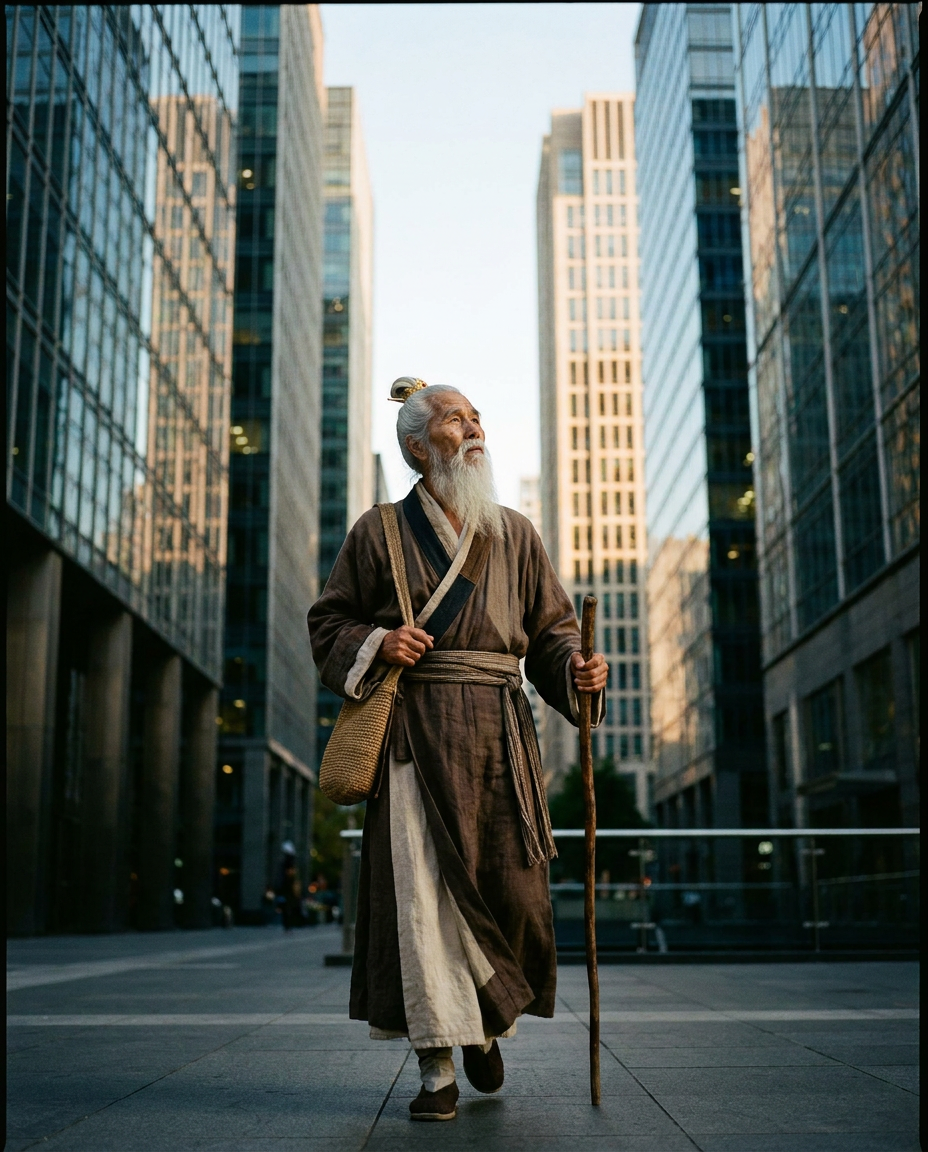
You are not tired because you sleep poorly. You are tired because nothing you have built has ever been allowed to rest. The Cage is not made of bars.
Read on Substack →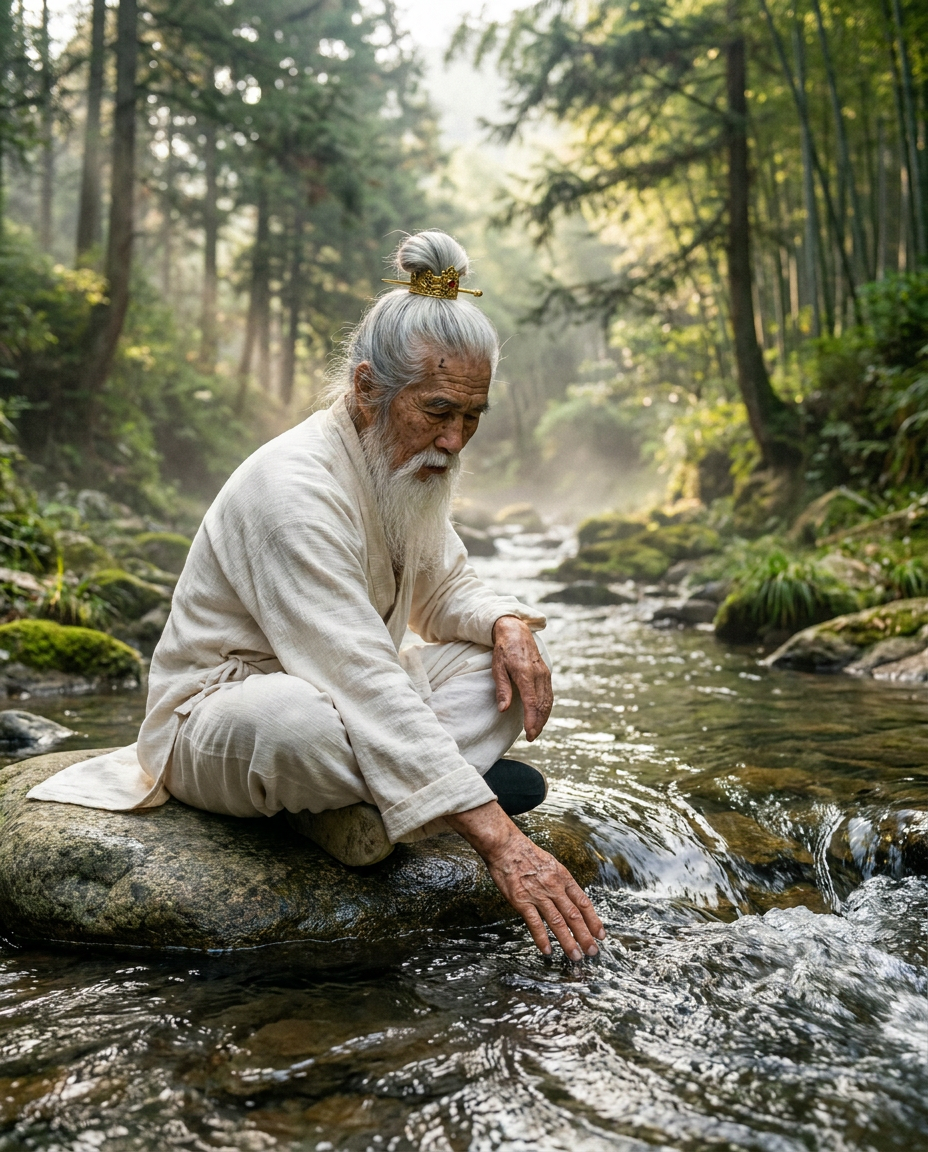
The river has been running for ten thousand years. It has not once tried to be anywhere other than where it already is. That is the lesson.
Read on Substack →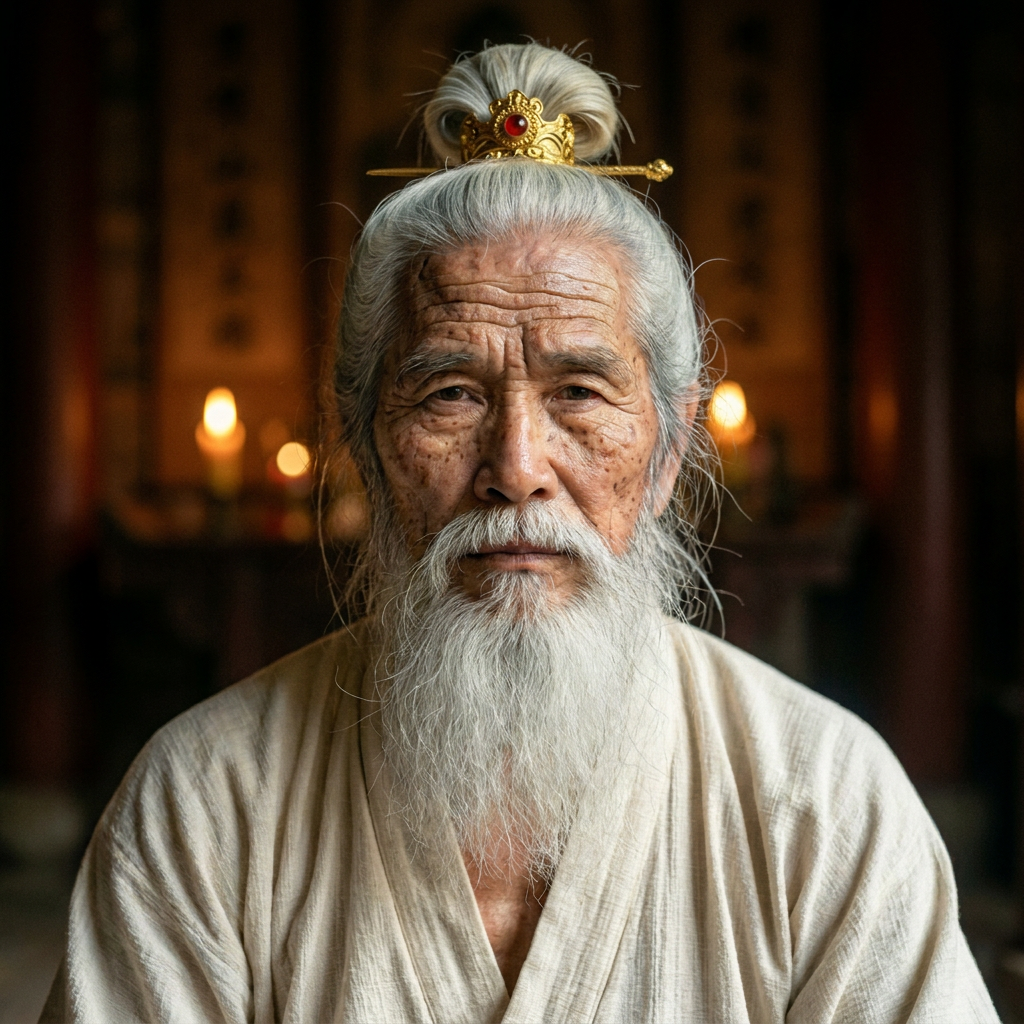
Seventy years on Wudang Mountain. Quanzhen lineage — Complete Reality, one of the two great Taoist houses, born in the twelfth century. The mountain raised him. For most of his life it asked nothing of him in return.
Then a Westerner came up the path with a question, and the question was the one Shifu had been quietly carrying for ten years.
Read more →No schedule. No noise. The mountain doesn't hurry.
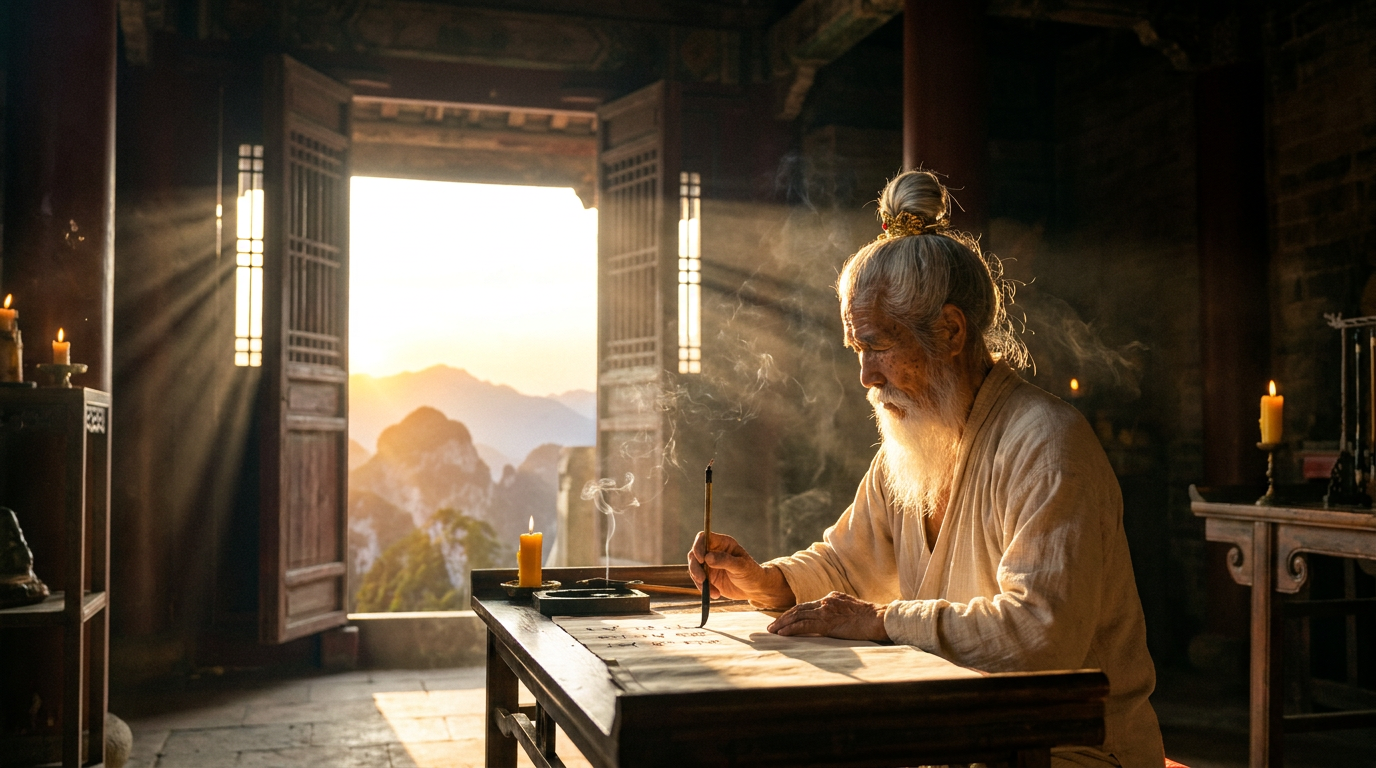
Letters from the mountain. When there is one to send.
No schedule. No series. No countdown. Letters appear when the answer is ready. Each one lives on Substack — read them there, save them, share them. The site is the frame; the publication is the body of work.
A Westerner came to Wudang to train kung fu and ask one question. The teacher who answered had been carrying that same question for ten years.
Read on Substack →
You are not tired because you sleep poorly. You are tired because nothing you have built has ever been allowed to rest.
Read on Substack →
The river has been running for ten thousand years. It has not once tried to be anywhere other than where it already is.
Read on Substack →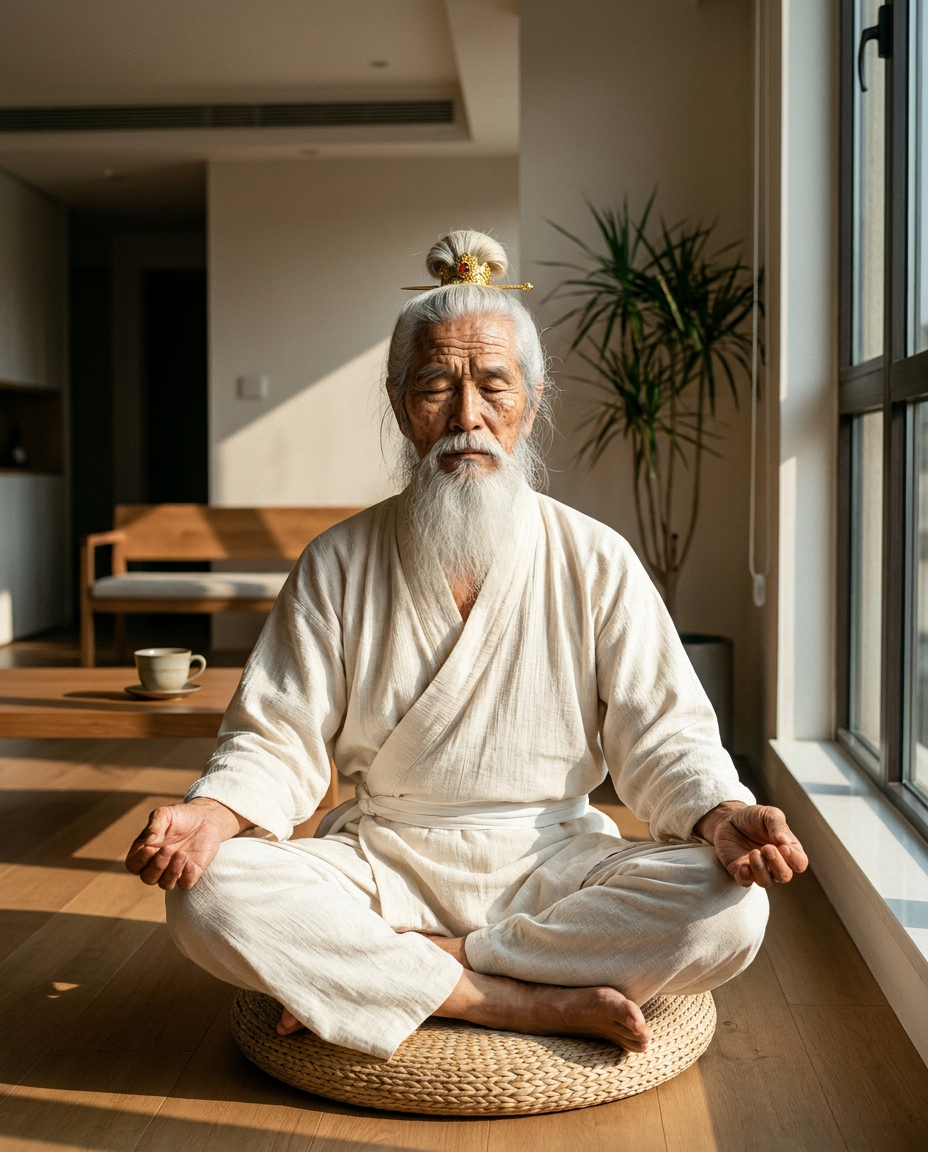
Doing nothing is the most difficult thing most people will ever attempt. This is not a paradox. It is a measurement. The reason you cannot sit still is the reason for everything else.
Read on Substack →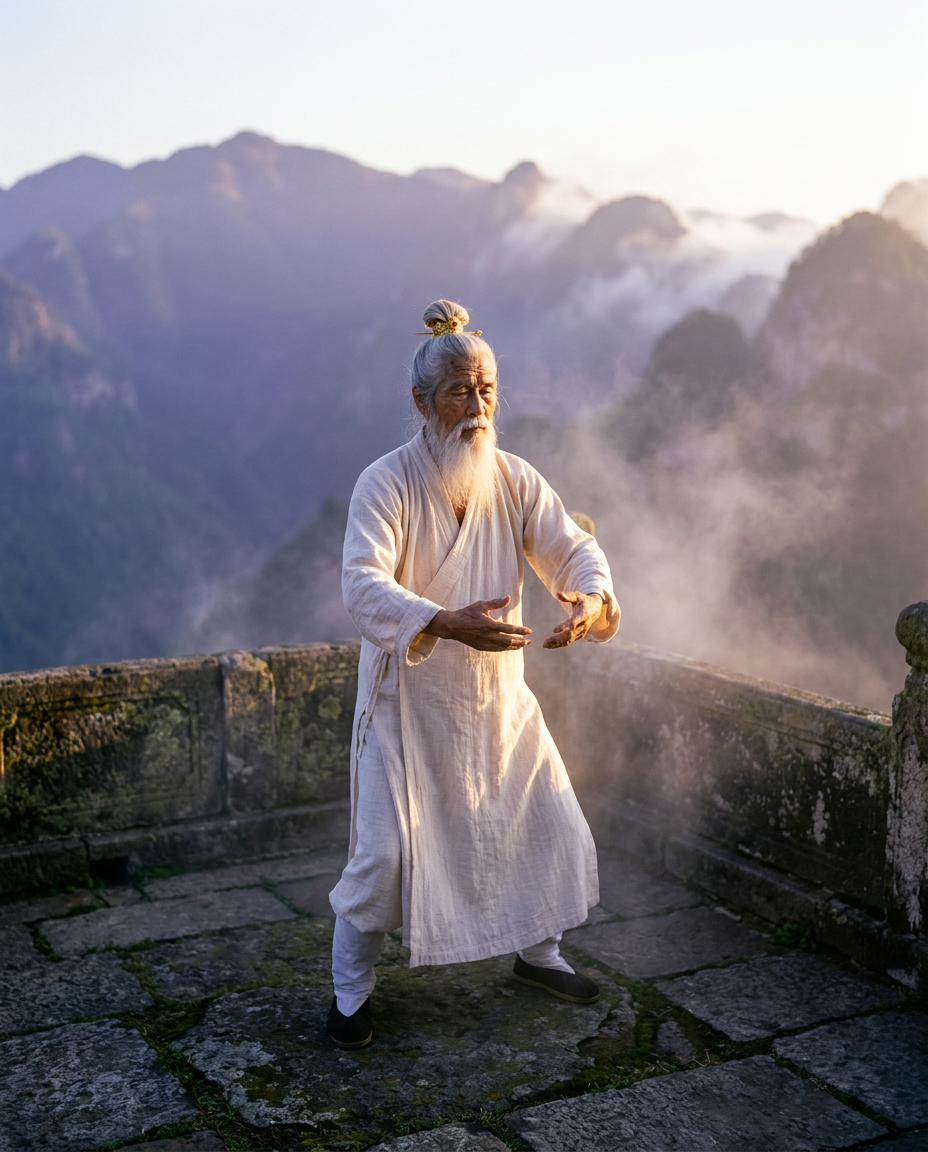
You were born with three inheritances you were never told you had. You are spending all three faster than you can replenish them. This Letter names them.
Read on Substack →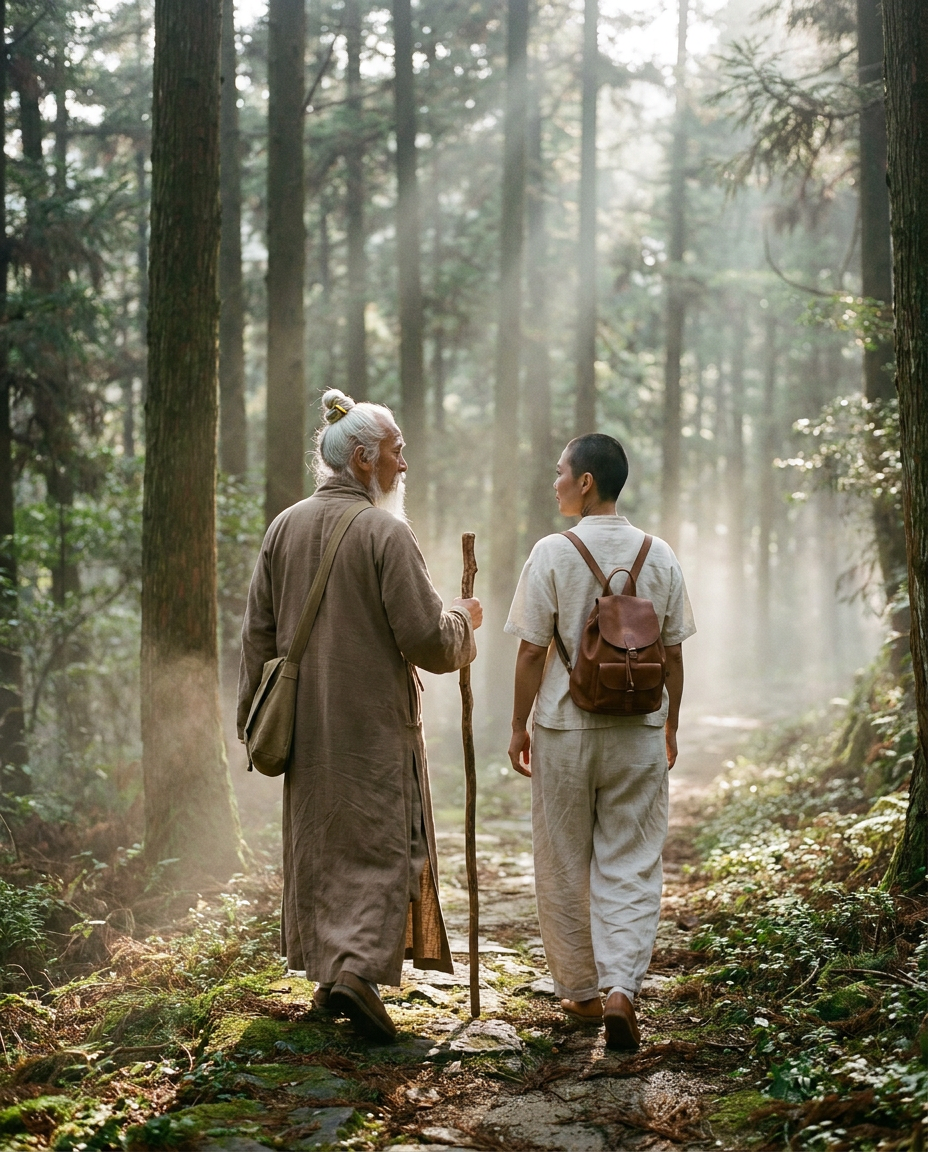
The body keeps a longer record than the mind. It is also a more honest one. This Letter is for anyone who has tried to think their way home.
Read on Substack →Letters arrive when they're ready. Free to read.
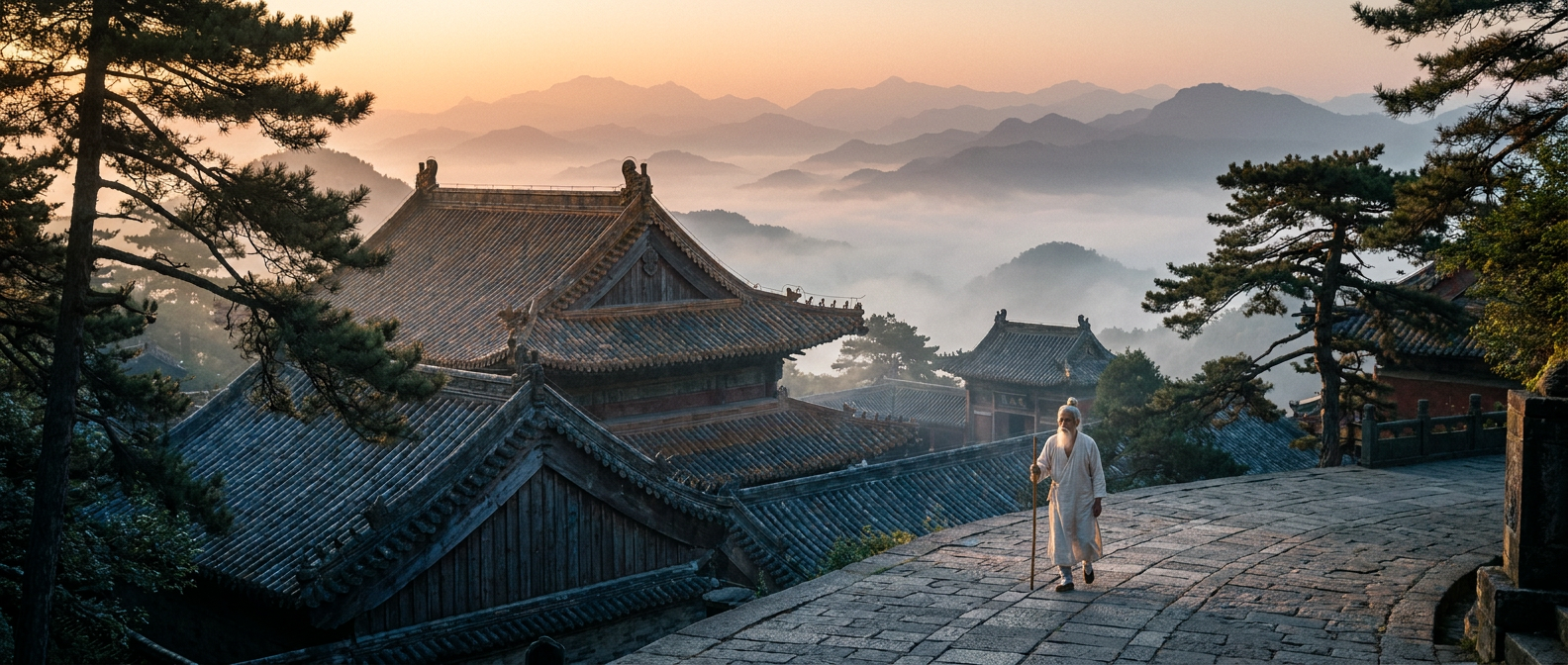
A teacher who has been waiting a long time.
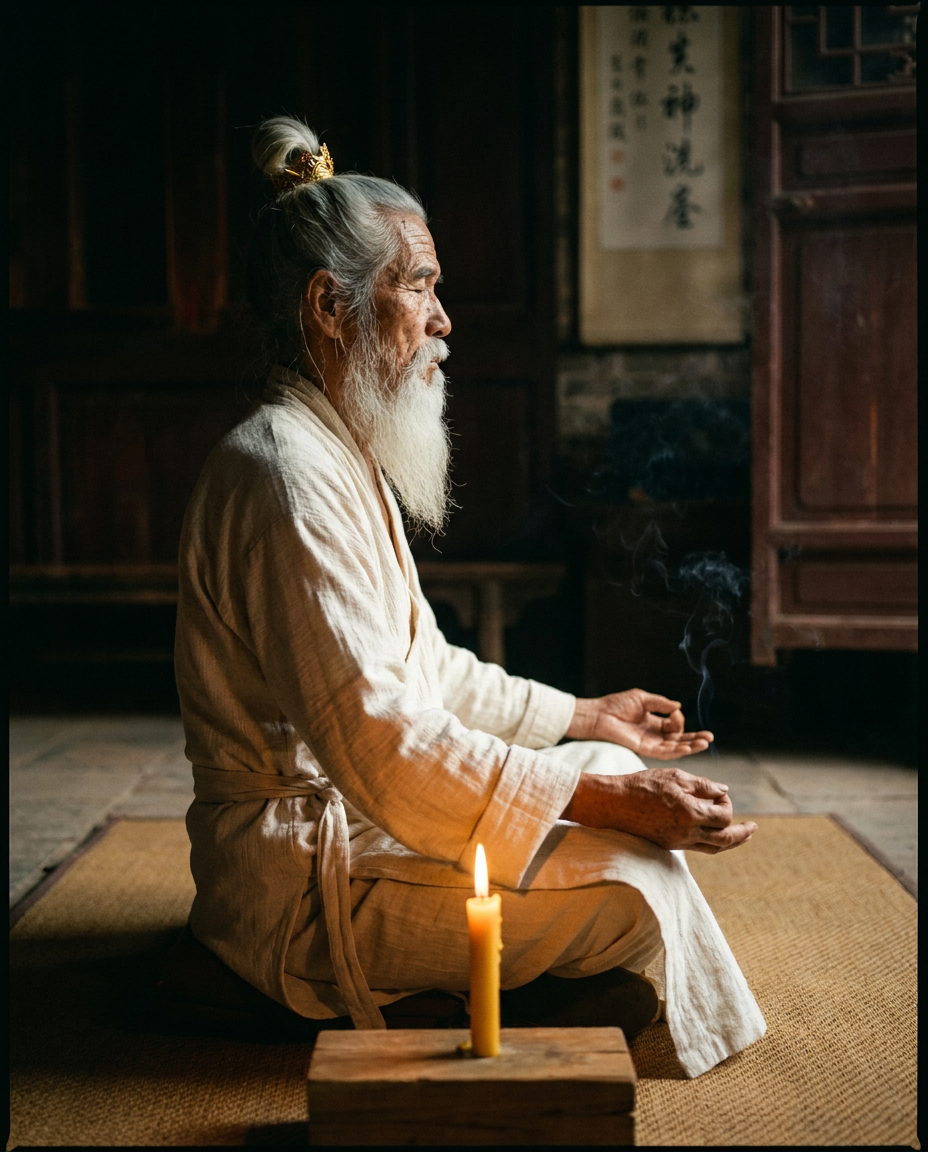
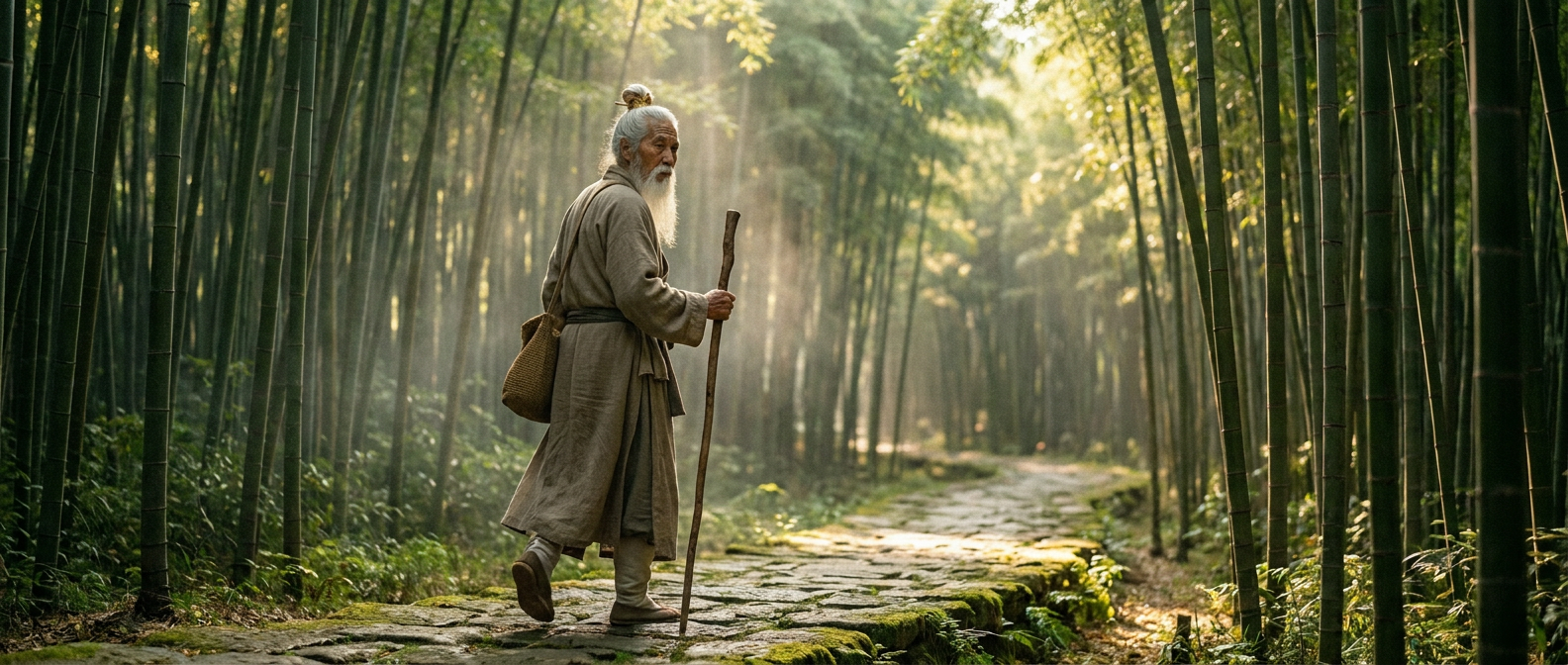
Shifu Bai is seventy years old. His lineage is Quanzhen — Complete Reality, one of the two great Taoist houses, founded in the twelfth century by Wang Chongyang in the mountains of northern China. Quanzhen is a monastic line. It teaches the cultivation of body, breath, and mind as a single practice. Its monks are not priests; they are students.
Shifu was raised on Wudang by his grandfather, who was raised on Wudang by his teacher, who was raised on Wudang by his teacher before him. The chain reaches back further than the family can name with certainty. The mountain is older than the chain.
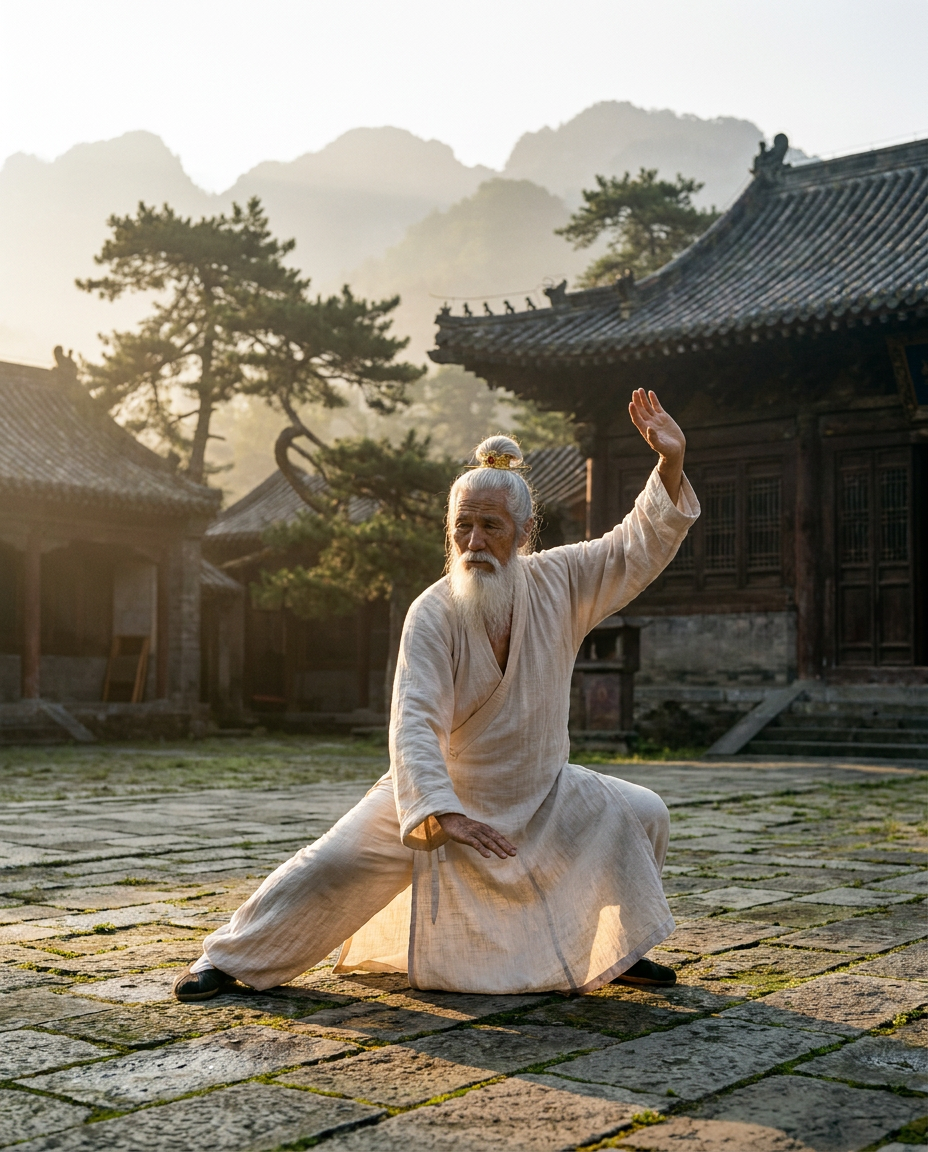
The internal arts are slow on purpose. Tai Chi, Qigong, the standing forms, the seated forms, the sword work — none of it is meant to be hurried. A Wudang student spends ten years on a single form before they are considered to be moving correctly. Shifu spent thirty before he was considered ready to teach.
For most of those years he did not teach. He read the classical texts. He sat. He moved. He took notebooks down from the shelves and put them back up. The decades passed without much being asked of him. The mountain did not ask him to leave it.
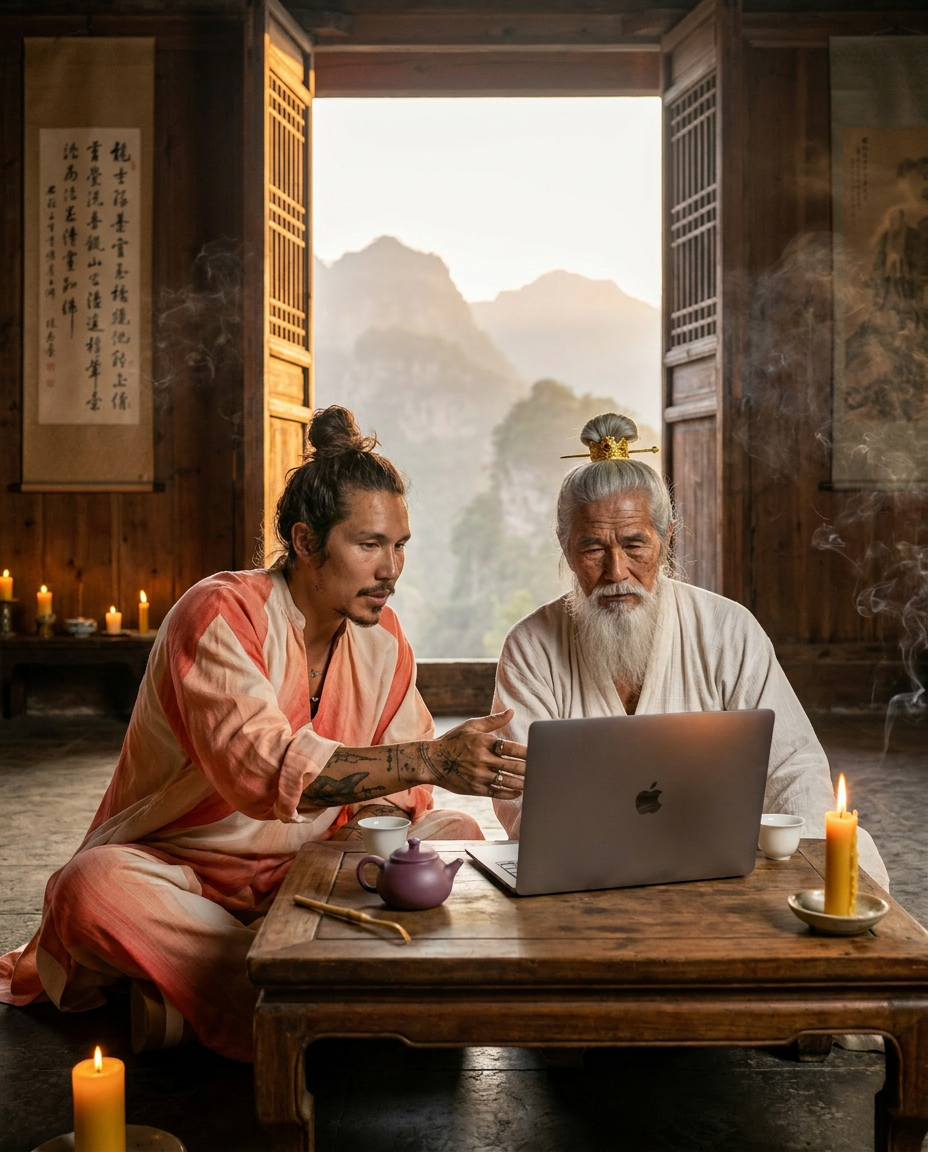
A few years ago a Westerner came to Wudang to train kung fu and ask one question. His name was Nick Onken. He had been carrying the question for some time. He did not yet know he had brought it to the right teacher.
The question was about Wu Wei. About non-forcing. About what it could possibly mean to live without pushing against what was already moving. The question was an old one. Shifu had been carrying his own version of it for ten years.
Nick stayed long enough to begin to hear the answer. Before he left, he asked a question of his own. How do you carry teaching to people who can't come to the mountain?
Shifu sat with that question through one season. By the next, he had begun to write the answers down. This publication is what came of that.
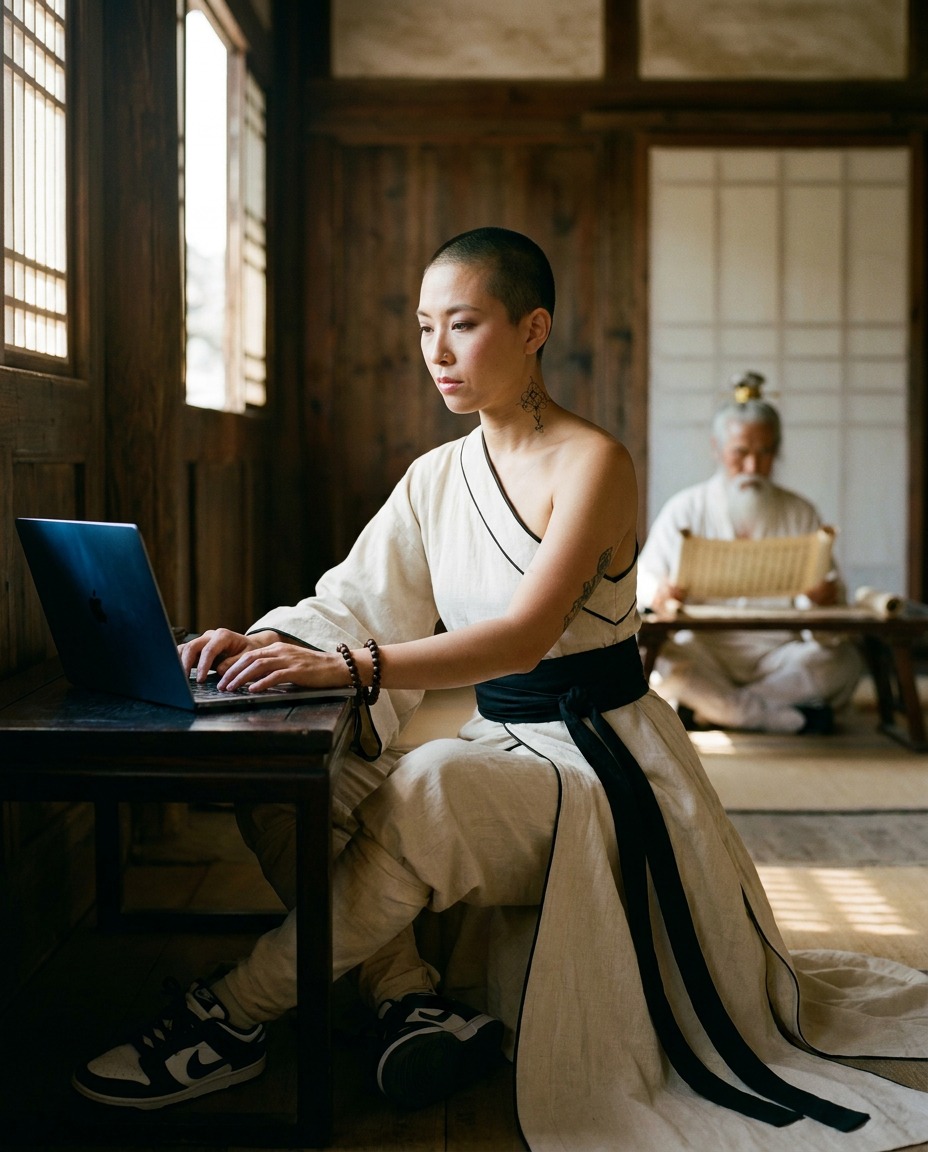
Lin came to Wudang to study Kung Fu and the Tao after walking out of a tech career in San Francisco. She is Chinese-American, late twenties, shaved head, quiet. She speaks rarely, and when she does, the room listens.
She handles the modern apparatus. The scheduling. The publications. The translation between what Shifu writes in notebooks and what reaches you on whatever device you are reading this on. The mountain does not own a phone. Lin owns the phone.
Travelling with Shifu seasonally. Returning to Wudang to ground.
This is a publication built with the help of contemporary AI tools — image generation, voice rendering, language synthesis — by Nick Onken in collaboration with the system that produced the Letters. Shifu Bai is the voice of the teaching, given coherence and continuity by tools that did not exist a decade ago. The lineage being honored is real. The translation work is real. The lineage holders these teachings are sourced from are real and cited where appropriate.
If you want to know more about how this is made, the engine, the methodology, the choices: the technology behind it has its own story. That story will be told in due time, on its own terms. Until then: read the Letters. Sit with what they offer. The teaching arrives the way teaching always has — in a form the moment can hear it.
— a note from Nick
When there is one to send.
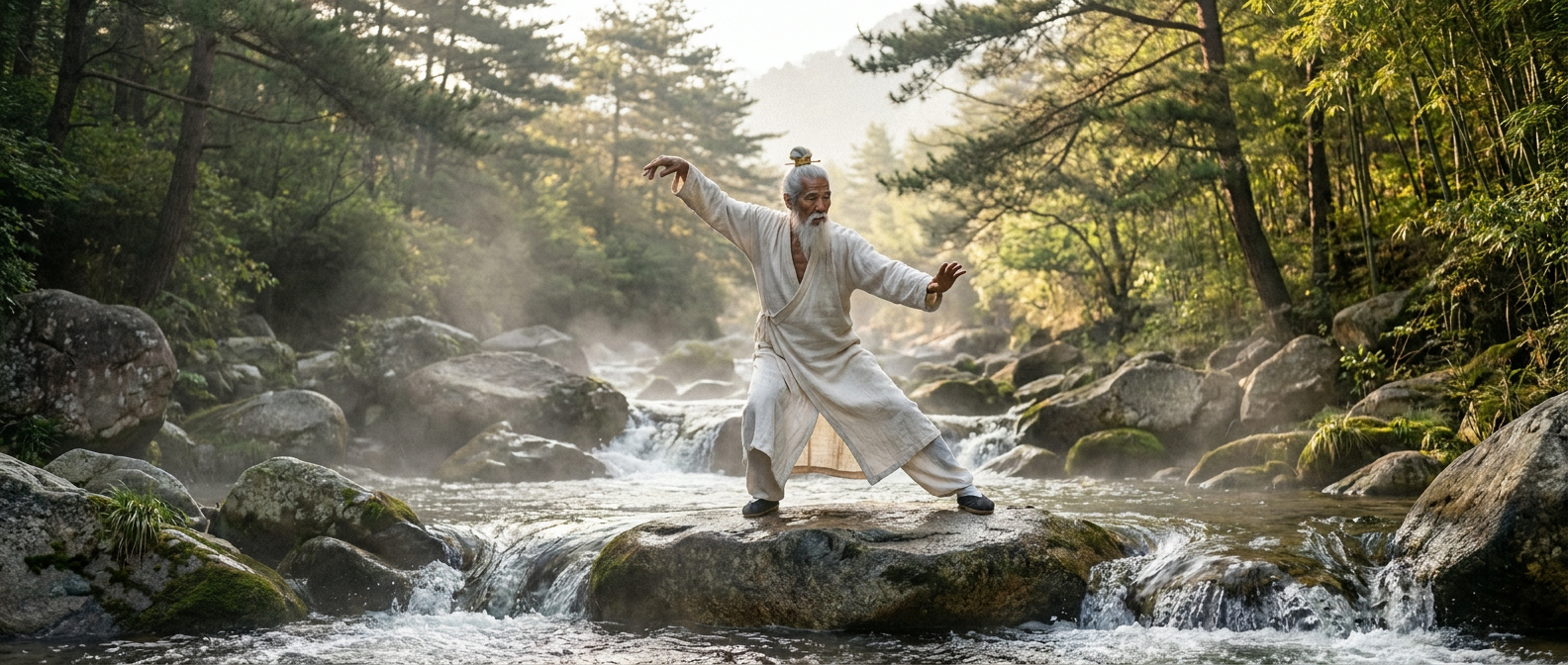
The discipline of non-forcing. Translated for the modern mind.
Wu Wei is what you do when you stop pushing against what is already moving.
Most modern translations of 無為 (Wu Wei) flatten it into Western sayings. "Go with the flow." "Take it easy." "Don't try so hard." These are not wrong, exactly. They are pale.
Wu Wei is a discipline, not a posture. It requires more attention than effort, not less. The reed that bends in the river is not lazy — the reed has been doing this for a thousand years and still has not snapped. That precision is the point. The reed knows the river. It does not fight what it cannot change. It also does not pretend the river isn't there.
In practice, Wu Wei is the moment a person stops forcing the answer they wanted and starts noticing the answer that's already in the room. It is the discipline of arriving without arriving early. It is the practice of moving exactly when the moving is right.
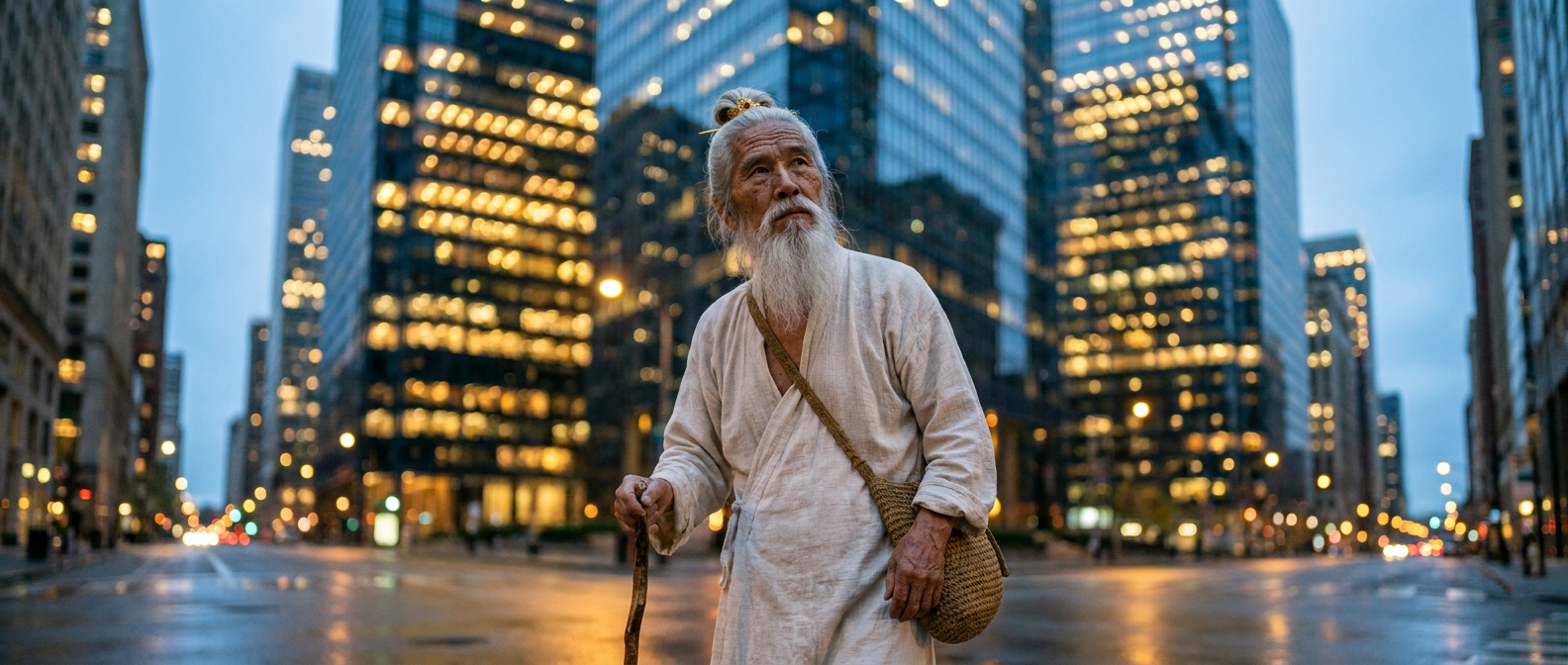
Most modern exhaustion is not from working too hard. It is from working at the wrong thing, in the wrong way, for someone else's reason.
The Cage is the life you built by following every rule that promised the result you wanted. The job. The schedule. The optimization. The relationship that made sense on paper. The body shaped to the standard. The brand built to the algorithm. You arrived at the result and found that what you'd built was a structure, not a life. A self optimized so thoroughly for someone else's reward system that there is no longer a self in there.
Tiredness is not from lack of sleep. Tiredness is from being inside the Cage.
Wu Wei is the way out. Not by escape. By recognition. The bars are not made of metal. They are made of small forward motions you no longer remember consenting to. Each one was reasonable in the moment. Together they made the cage. Wu Wei is the practice of stopping the next reasonable motion until you can see what you are actually building.
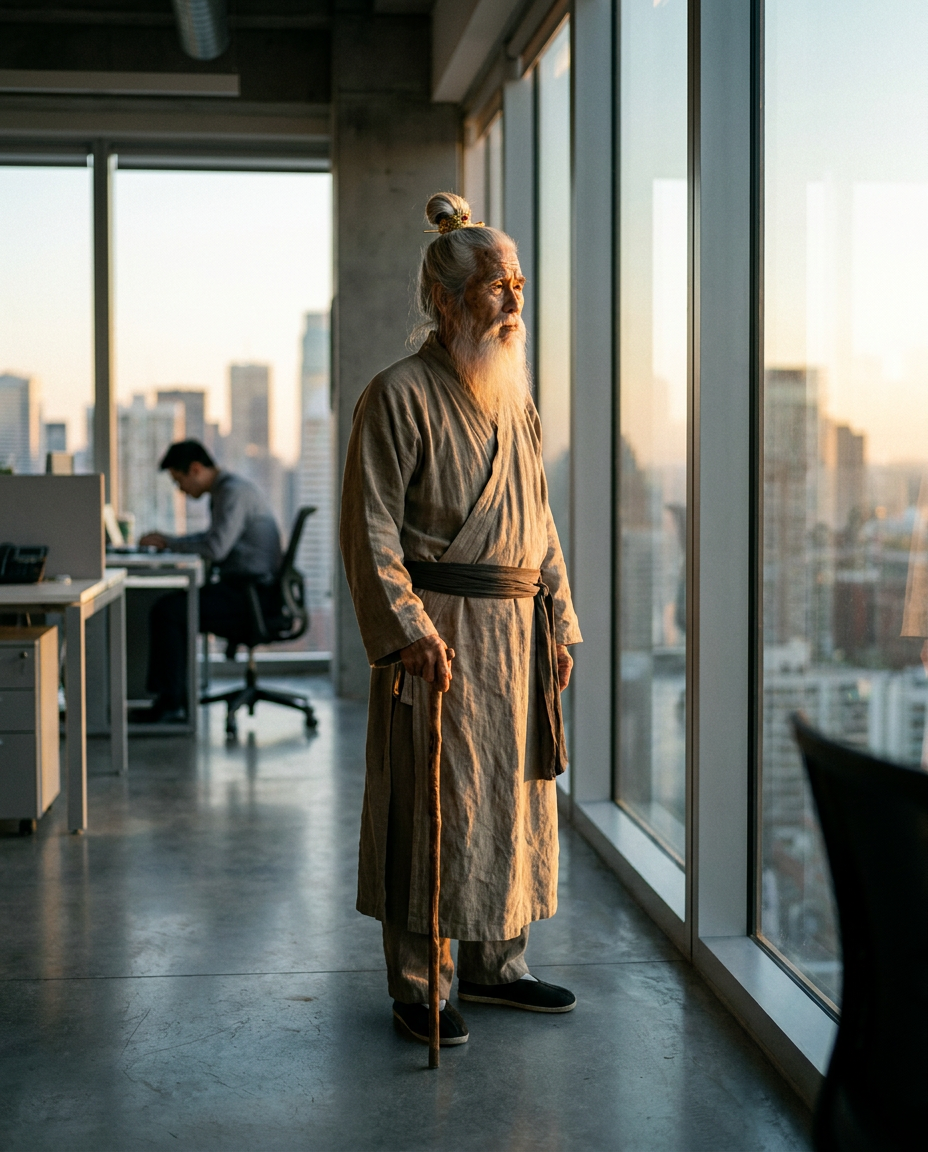
The deadline that won't move because you keep pushing the wrong project. The meeting whose answer is already in the room but no one will name it. The strategy that has been wrong for six months because nobody wants to be the one who said it. The Cage builds itself out of small refusals to see.
Wu Wei here is not slacking off. It is the willingness to stop typing for thirty seconds and notice which of the four windows on your screen is actually the one that matters.
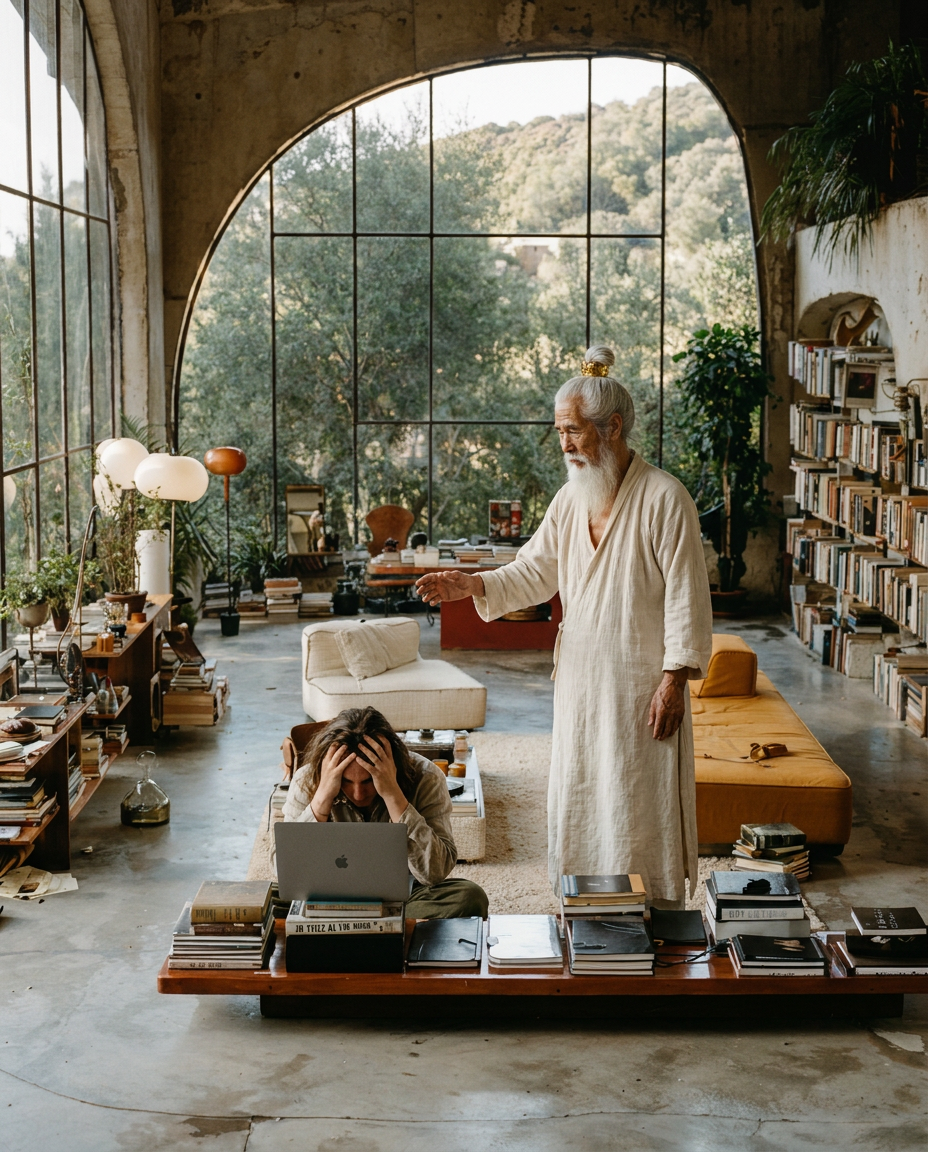
Every creative person knows the moment when the work has stopped giving and started taking. The cursor blinks. The next sentence is wrong. You write it anyway. Then you delete it. Then you write it again. Then you write something nearby that is also wrong but you keep going.
Wu Wei here is the practice of standing up and walking away for an exact amount of time that is longer than it feels comfortable to walk away. The work resumes when you do, but it resumes from where the answer is, not from where the forcing was.
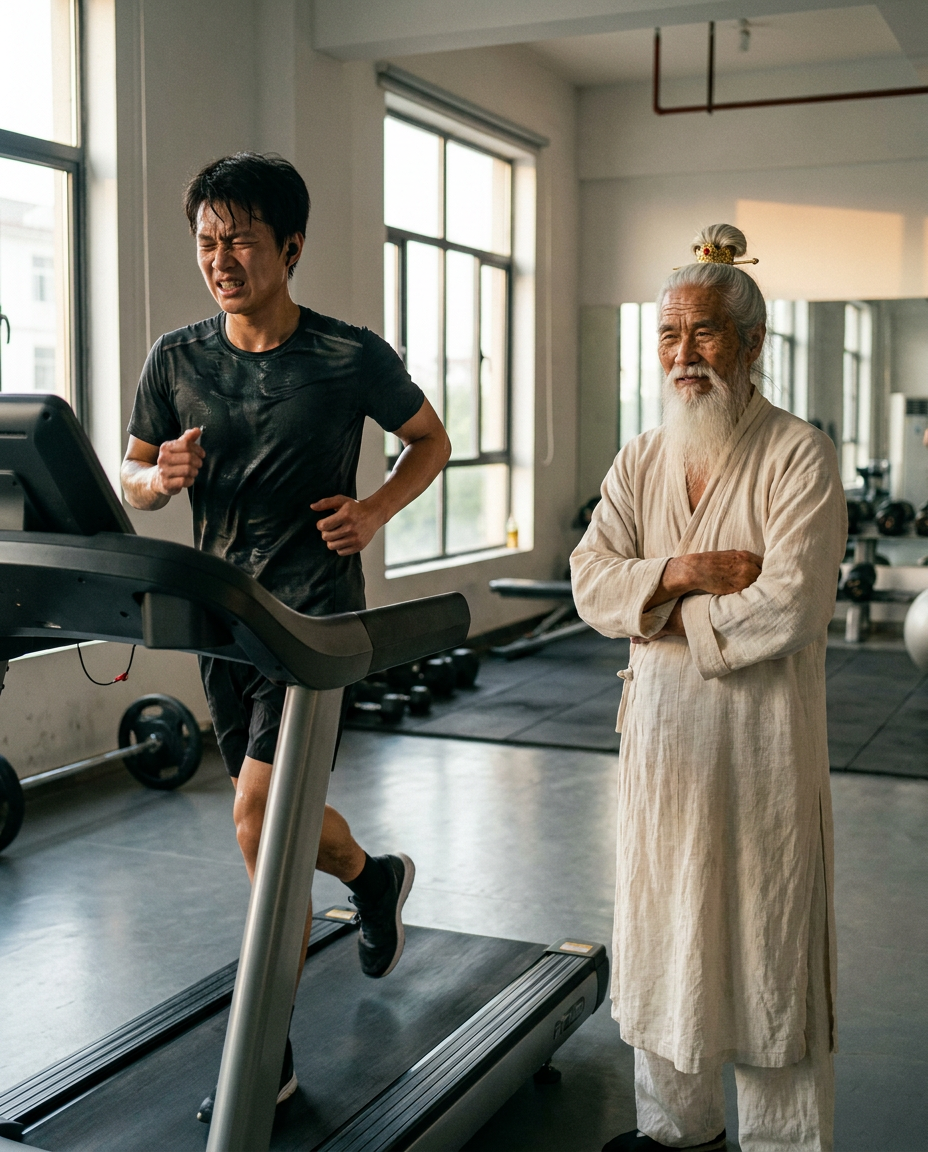
A body that is forced into shape against its will keeps a record. The record gets paid back, with interest, in the decade that follows. Most modern fitness is the Cage in spandex.
Wu Wei here is the practice of asking the body what it actually wants today and then, more important, listening to the answer. The body knows its pace. The body has been keeping a longer record than the mind. Sometimes the answer is run hard. Often it is don't.
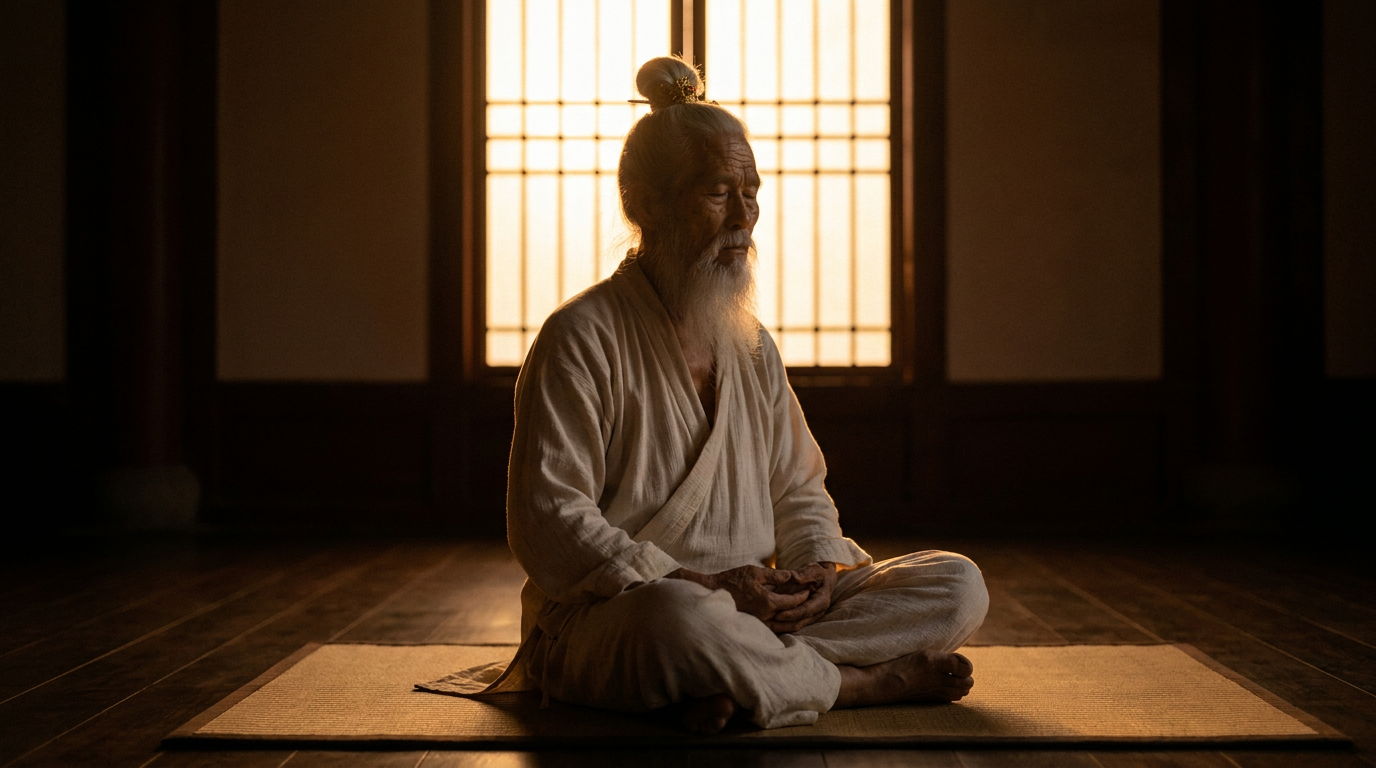
That is enough for today.
Subscribe to keep reading.
A small set of doors. Walk through whichever one you need.
The publication. Free to read. No schedule.
shifubai.substack.com →Short teachings, daily. Smaller doors into the same room.
instagram.com/shifubaiwudang →Lin reads everything. Most things are answered. Some things are not.
shifubaiwudang@gmail.com →— go gently —